THE REGION, UP CLOSE
A landscape with more than one story.
Our regional lens: Miami-Dade, Broward and Palm Beach counties.
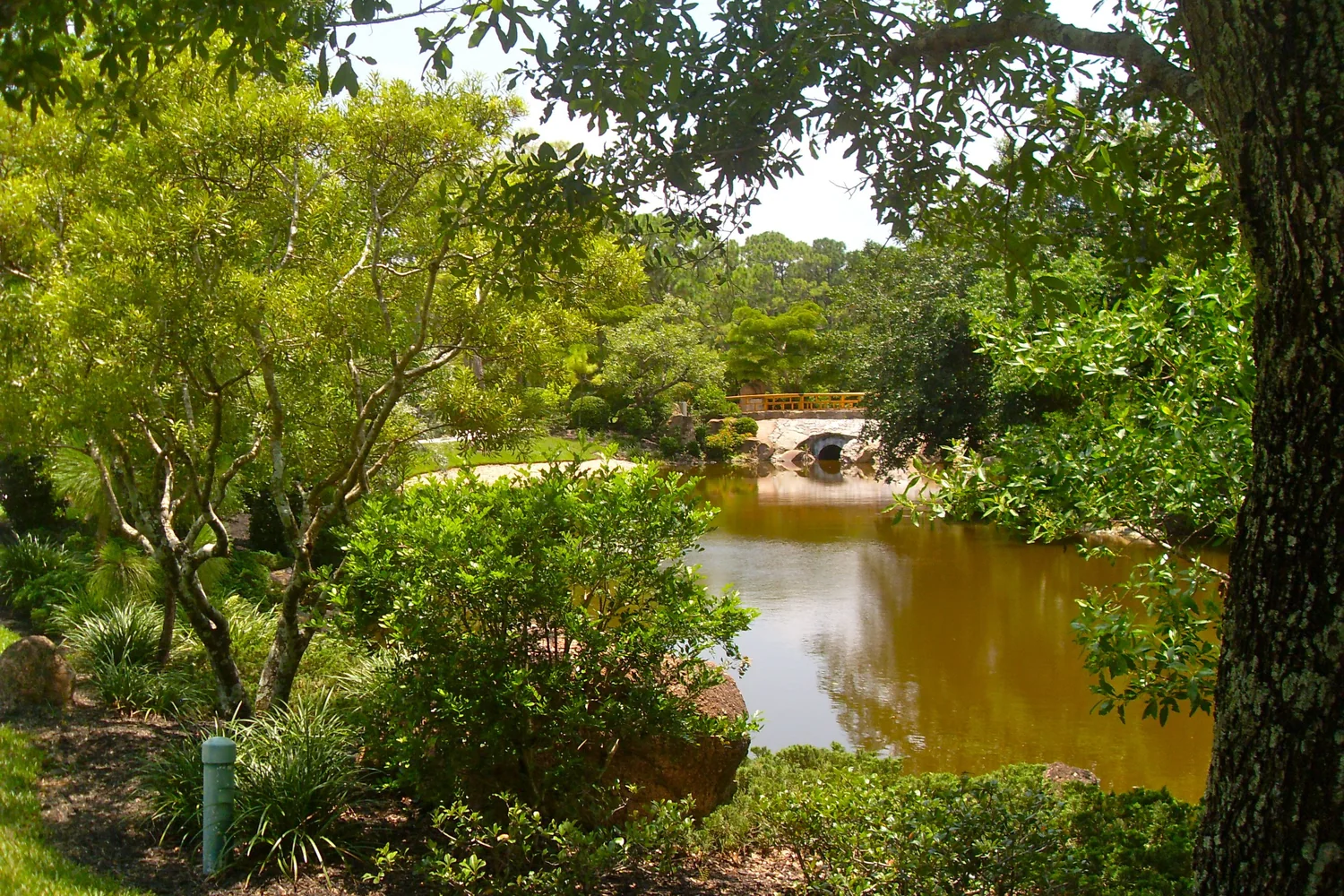
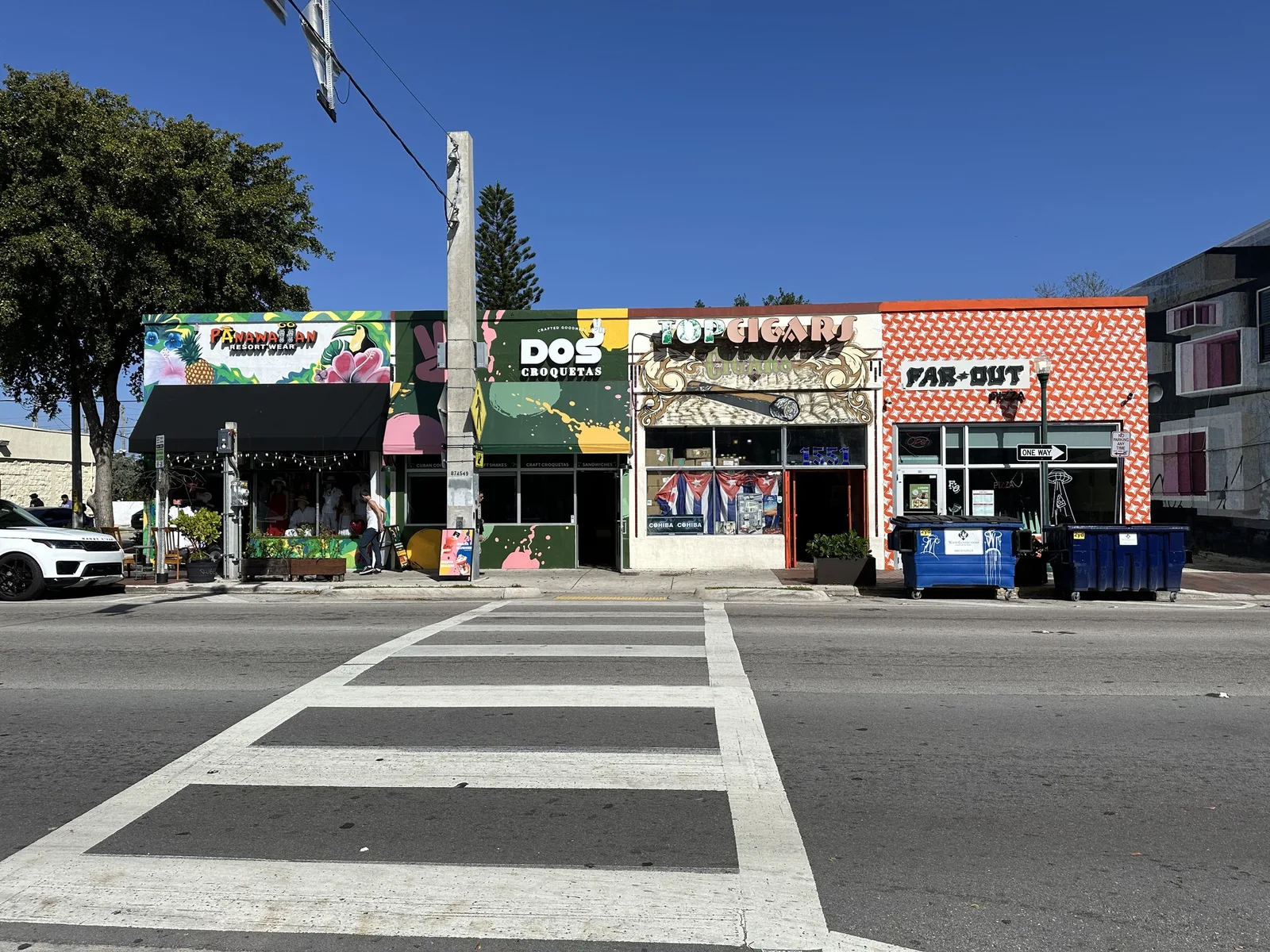
Miami's cultural character is clearest at street level. In Little Havana, Calle Ocho links bakeries, coffee stops, music venues, murals and the social world around Domino Park. The neighborhood's connection to the Cuban diaspora gives these everyday places significance beyond their appeal to visitors. Spend time listening, looking and eating rather than simply collecting landmarks. Farther north, Morikami tells a different migration story through the Japanese farming community known as the Yamato Colony, widening the region's cultural frame well beyond its familiar beach image.
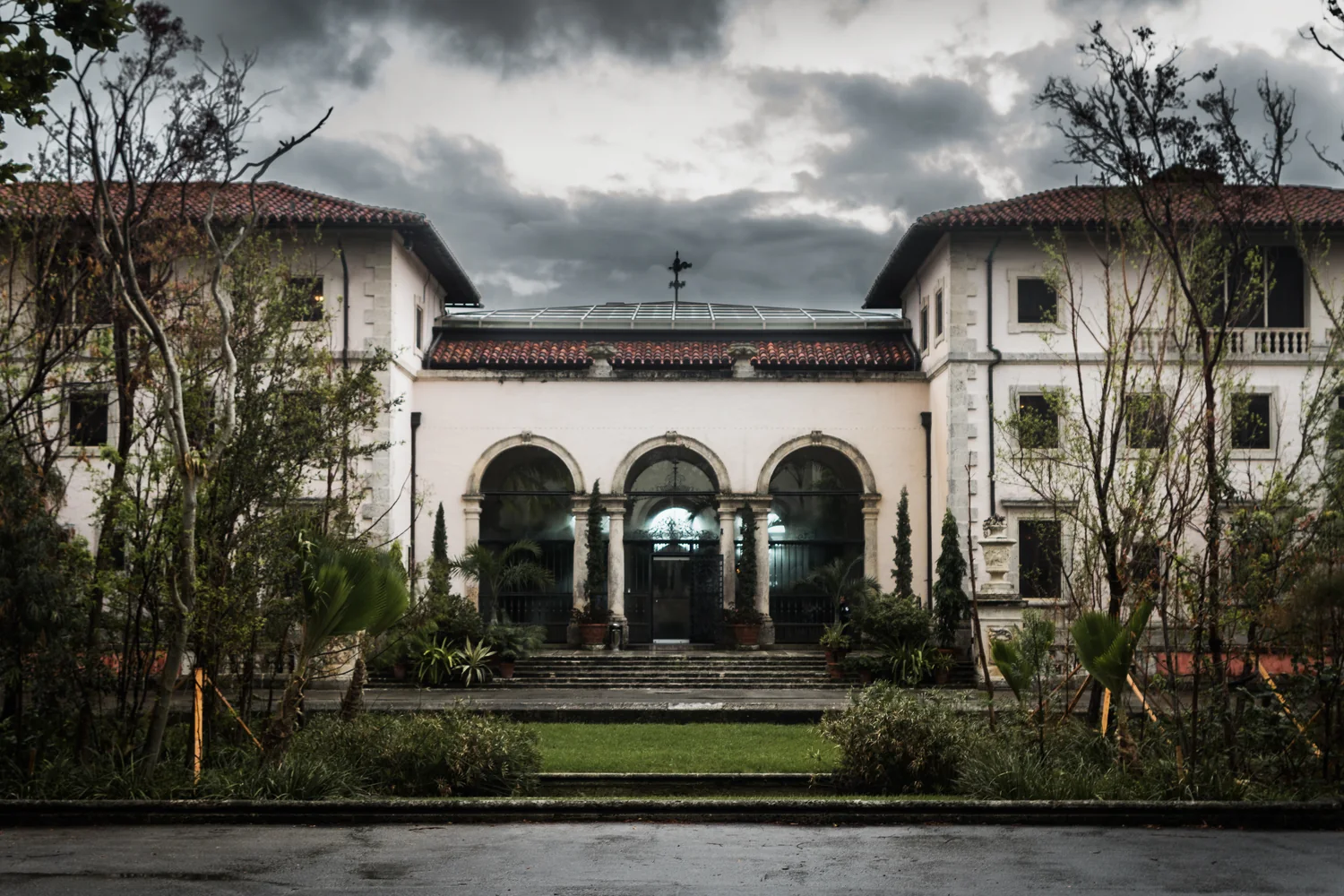
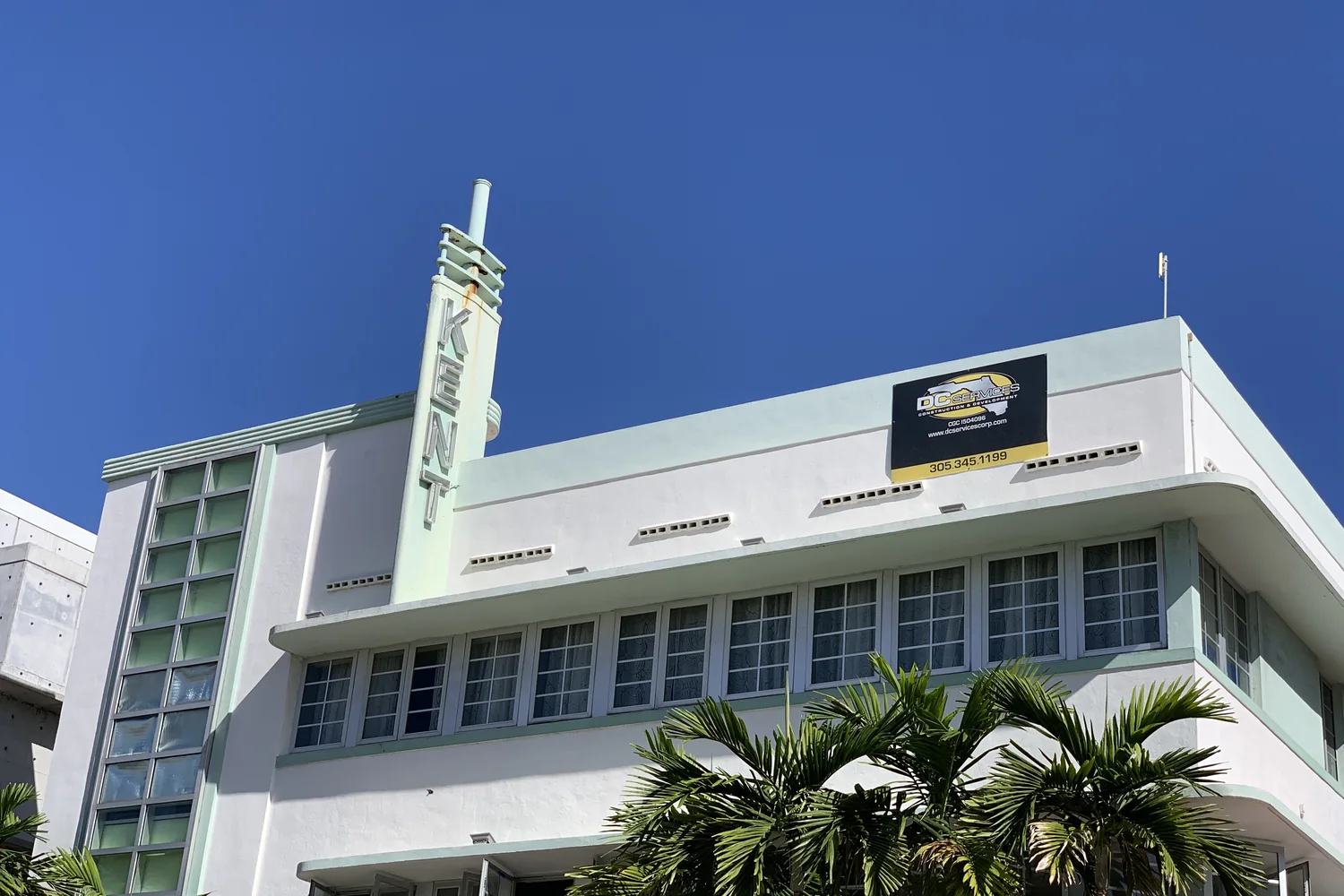
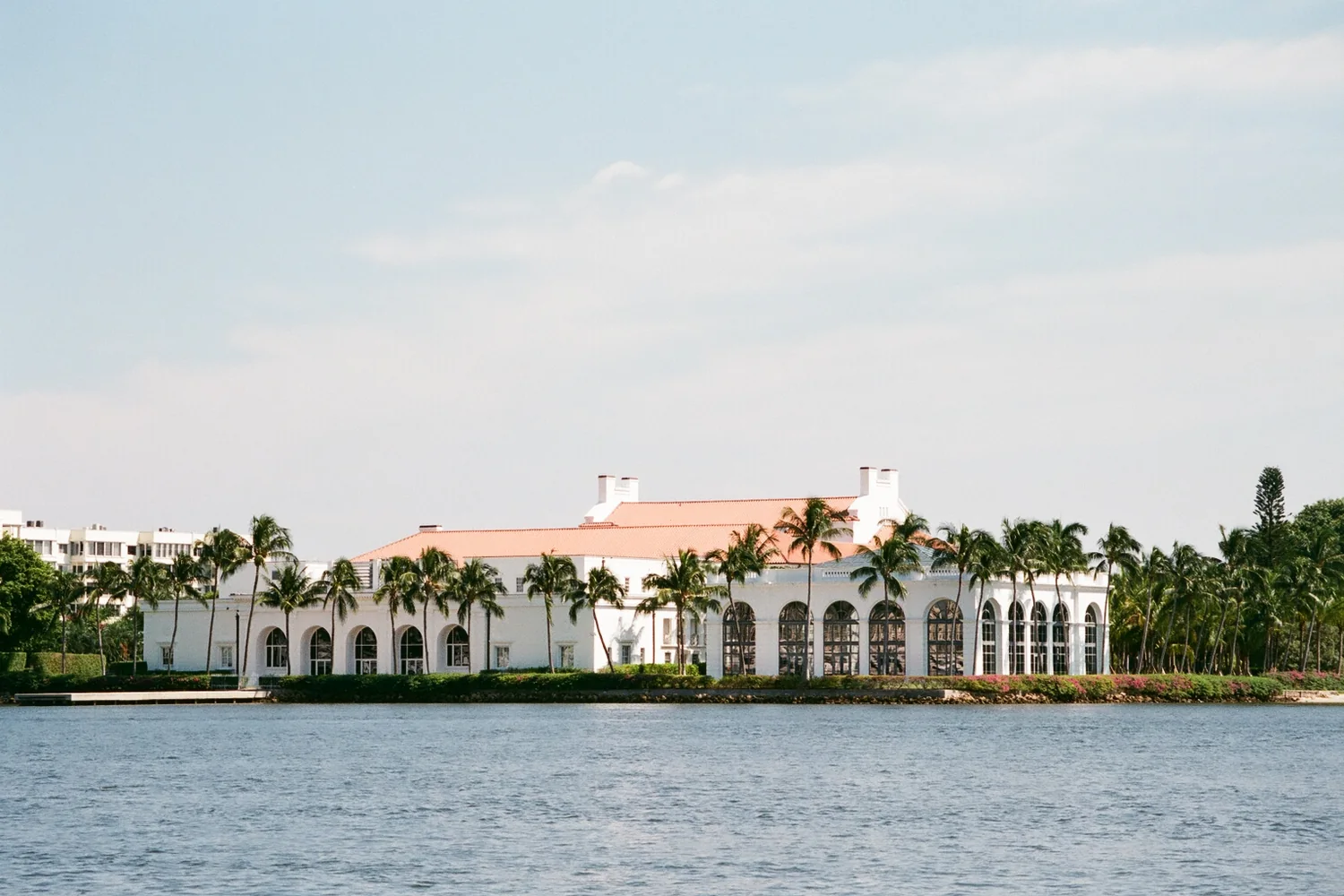
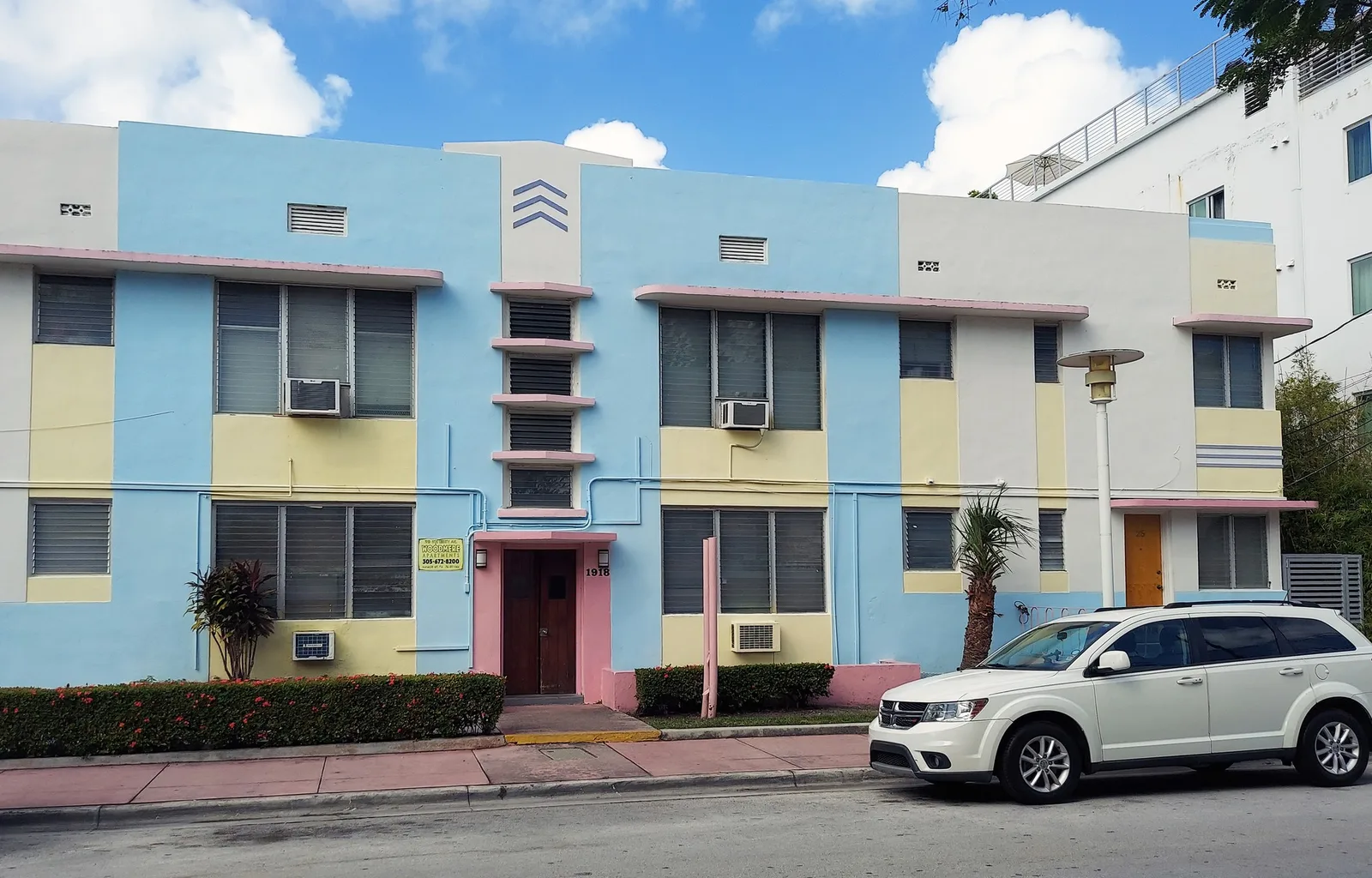
Architecture provides another way into South Florida's ambitions. Miami Beach's Art Deco, Mediterranean Revival and later modern styles turn a walk into a lesson in how a resort city imagined itself. At Vizcaya in Miami and Whitehall in Palm Beach, lavish estates reveal another era of wealth, collecting and landscape design. Their rooms and gardens reward close attention, especially when considered alongside the people and work that sustained them. Beauty becomes more interesting when the buildings are treated as historical evidence rather than mere backdrops.
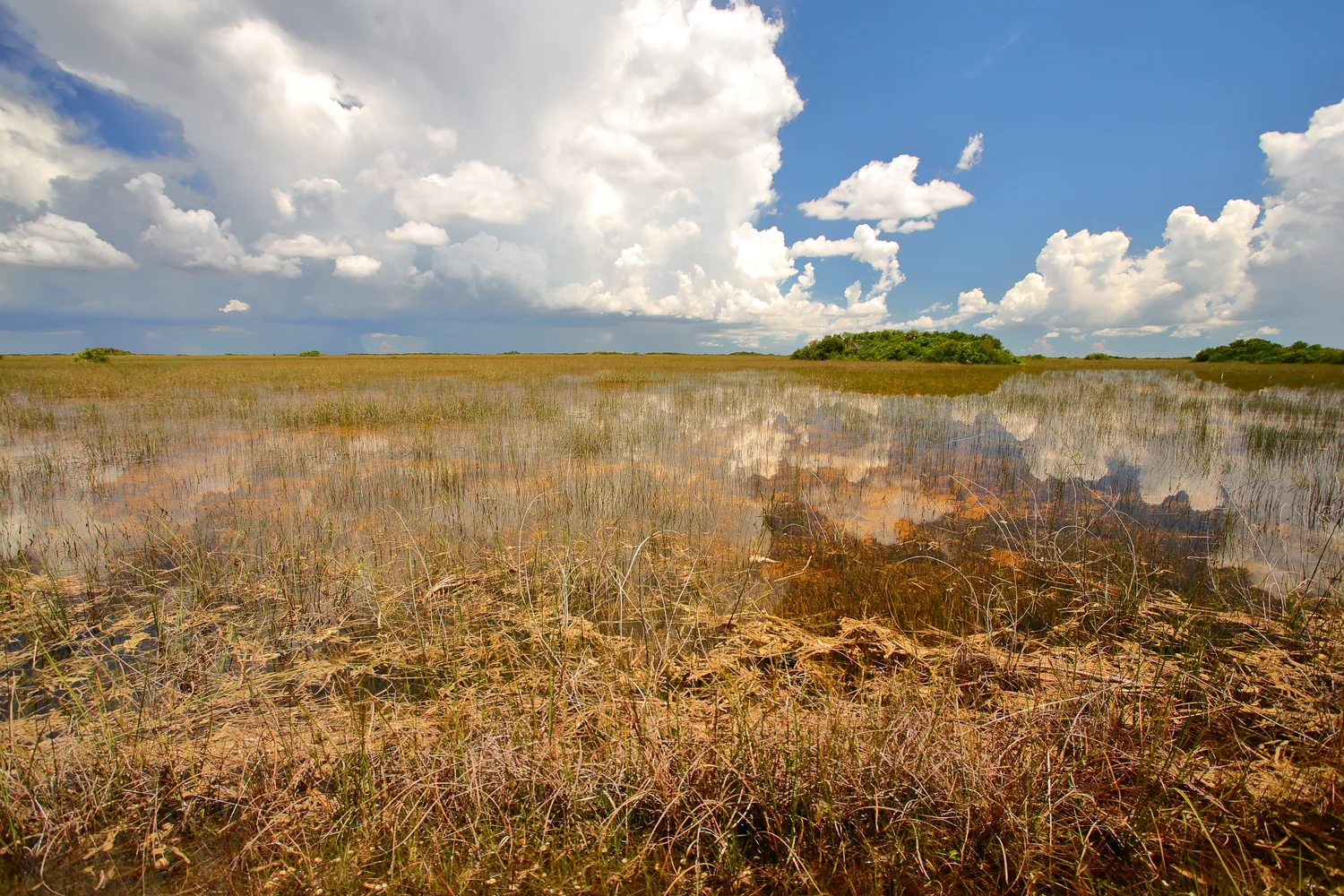
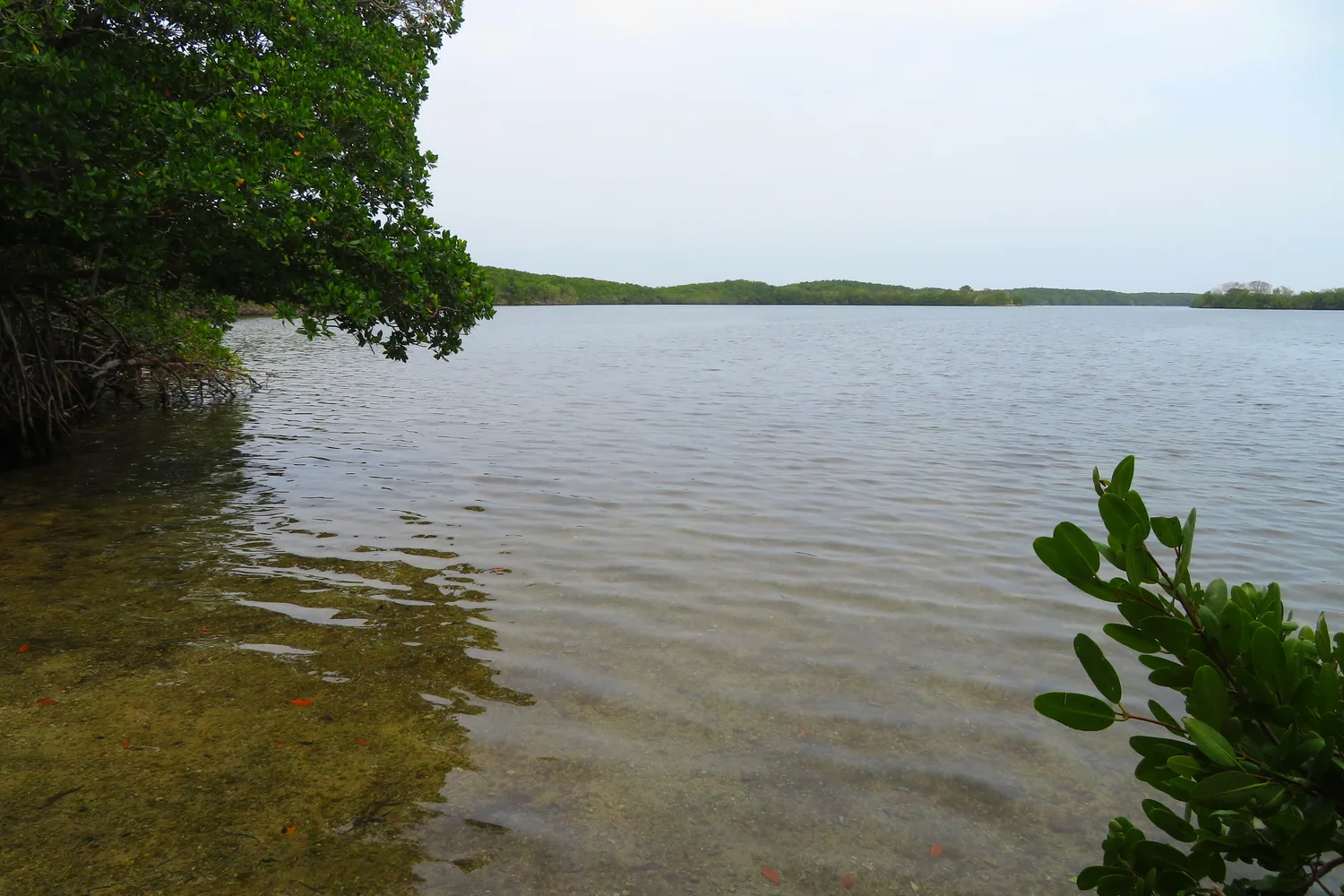
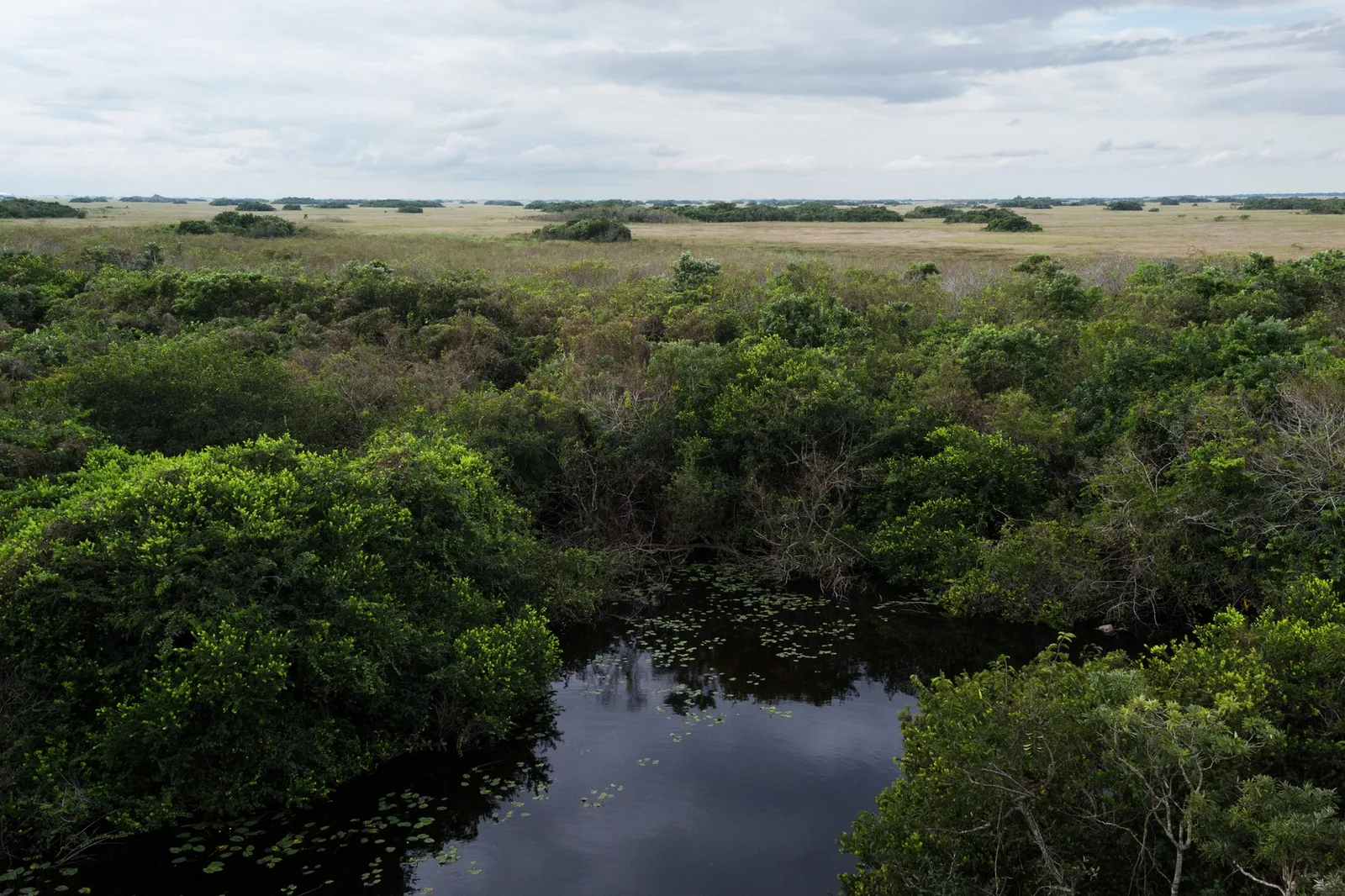
The national parks shift the scale completely. Shark Valley opens a view across the Everglades, with a loop route and observation tower that make the breadth of the wetland landscape tangible. Biscayne National Park turns attention seaward, protecting bay waters, mangroves, islands and coral reefs. Its shore-based visitor center is an introduction to a park whose fuller exploration often involves a boat. These are different excursions with different starting points; give each its own day and let the landscape determine the pace.
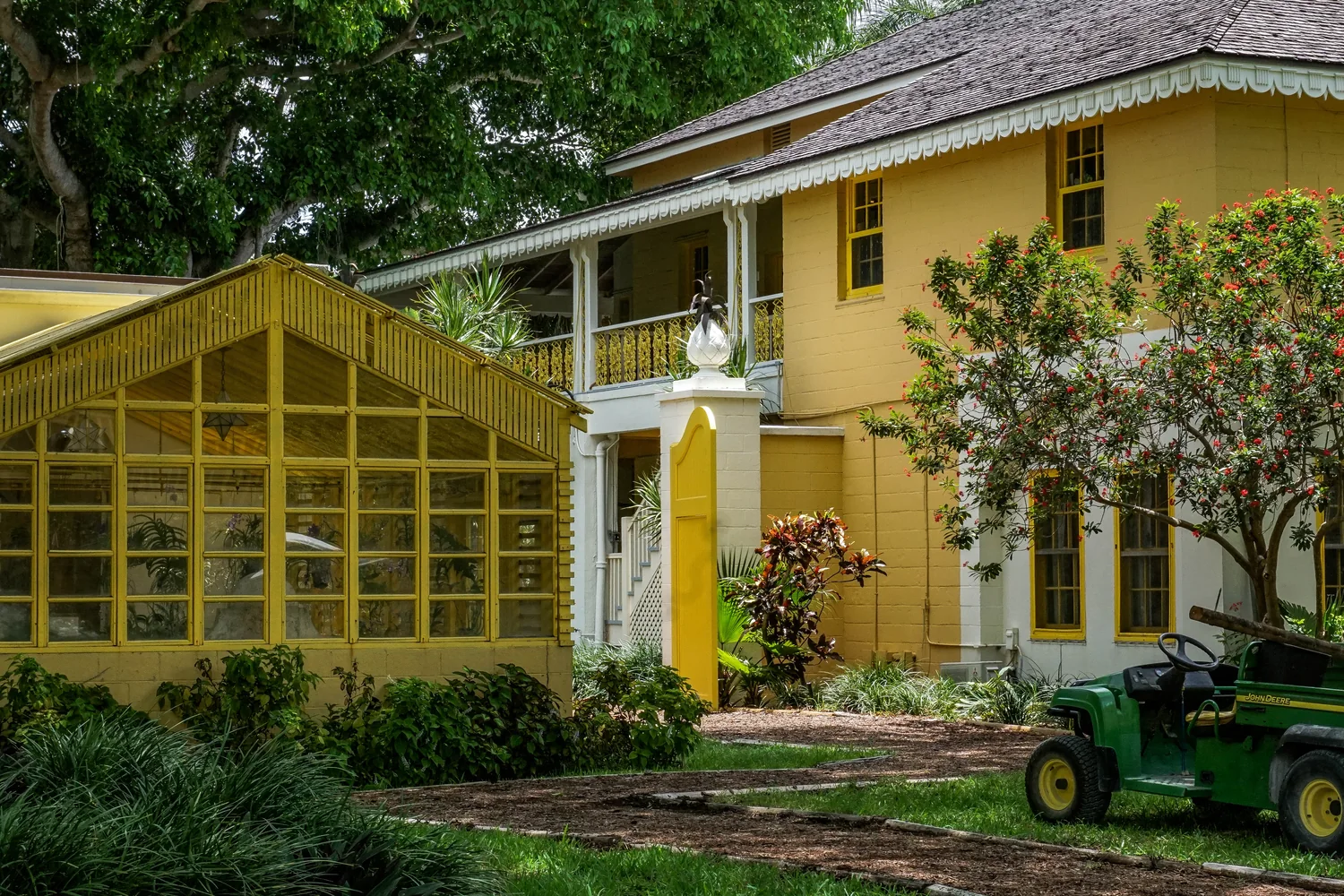
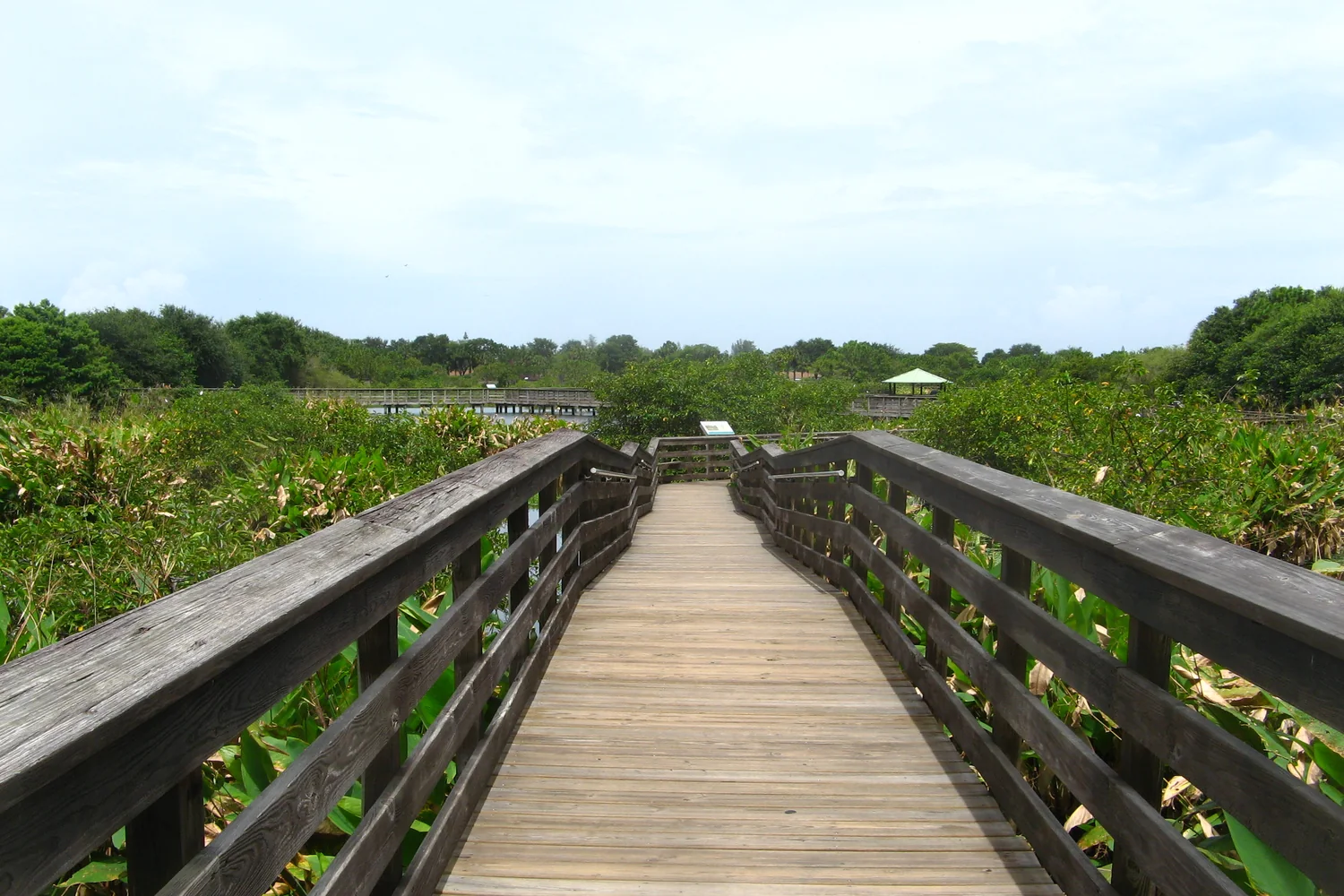
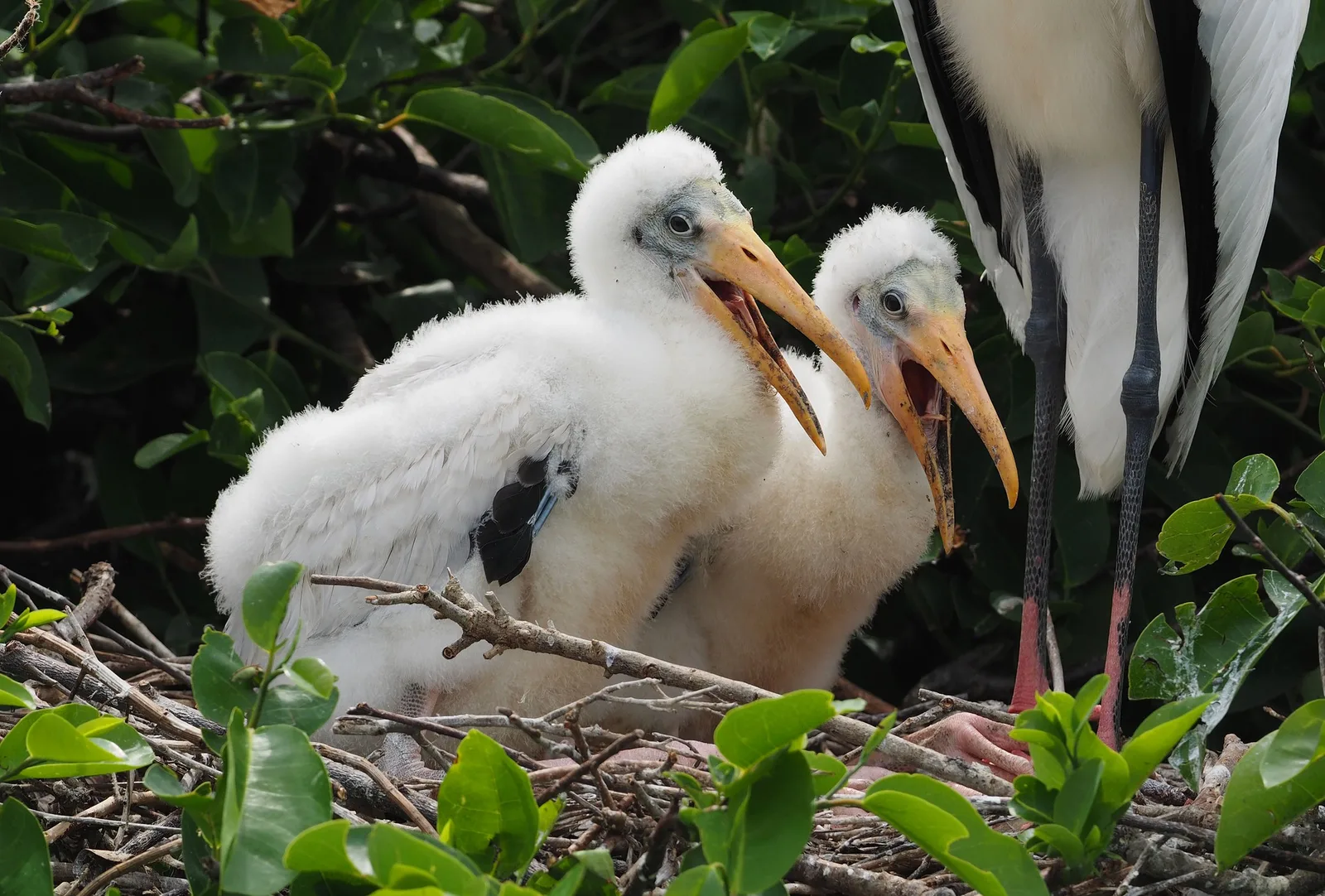
Fort Lauderdale offers a smaller-scale encounter between city and nature. Hugh Taylor Birch State Park preserves a green strip between ocean and Intracoastal Waterway, while nearby Bonnet House holds the art-filled world created by Frederic and Evelyn Bartlett. In Palm Beach County, Wakodahatchee adds an unexpected twist: a constructed wetland that helps treat reclaimed water has become a remarkable place to watch birds. From the boardwalk, the connection between urban infrastructure and wildlife habitat is visible rather than theoretical.
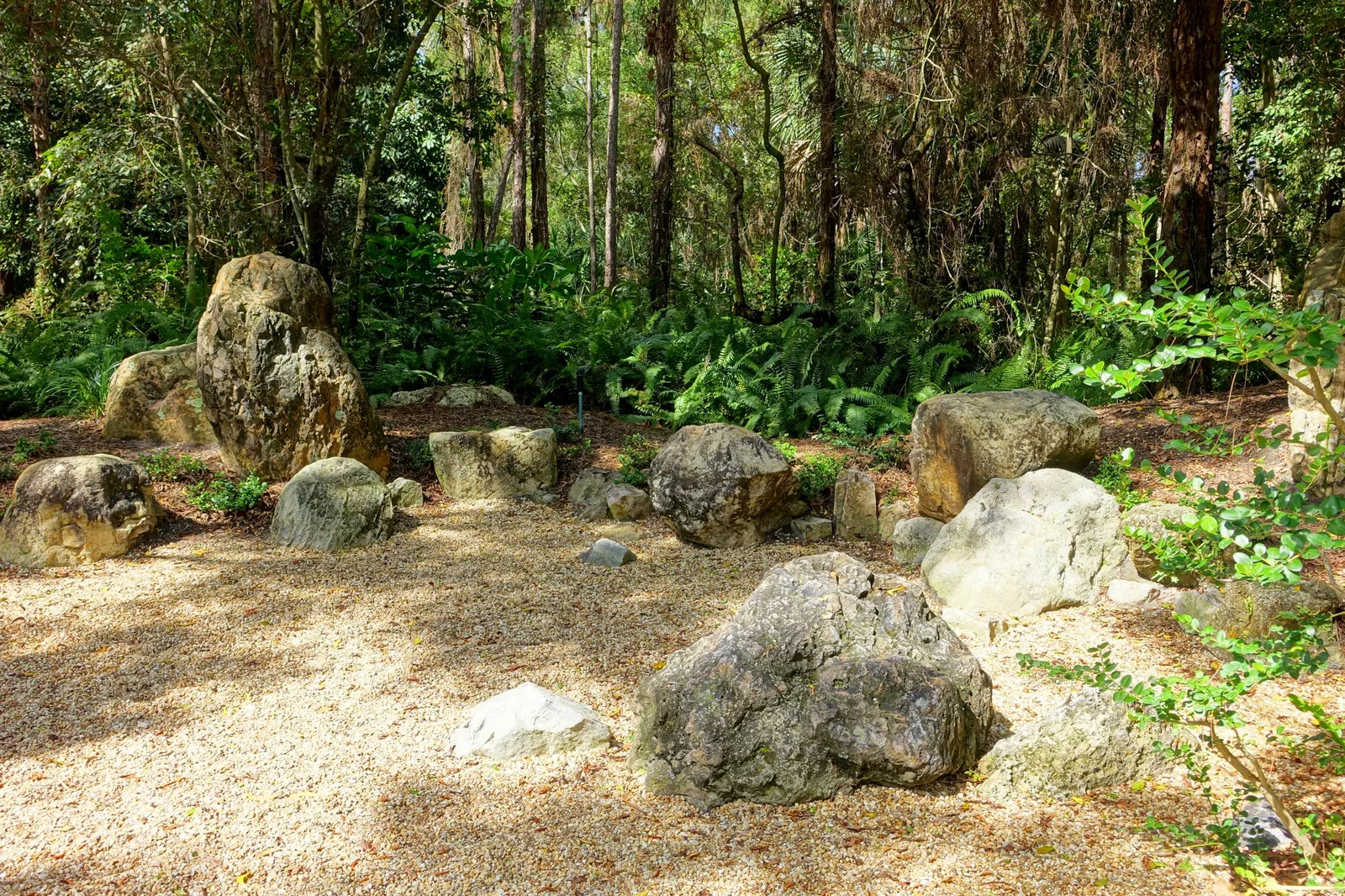
The art stops deserve the same deliberate attention as the outdoors. West Palm Beach's Norton Museum brings together wide-ranging collections, with particularly rewarding Asian holdings and a sculpture garden that keeps the experience connected to the light outside. Morikami's gardens encourage another kind of looking, using contrasting historical garden traditions and carefully composed views. Choose one museum or garden to explore deeply, then leave space around it. South Florida's long north-south geography makes thoughtful neighborhood pairings more enjoyable than a day spent chasing distant highlights.
The strongest itinerary balances the region's energy with places that invite stillness. Let Miami Beach supply a walk, Fort Lauderdale a wooded pause, Palm Beach County an art or garden afternoon, and the national parks a larger horizon. Each county can support several days without borrowing attractions from elsewhere. What unites South Florida is the constant meeting of human imagination and a powerful natural setting, visible in a waterfront house, a restored streetscape, a wetland boardwalk and the open sky above them.